
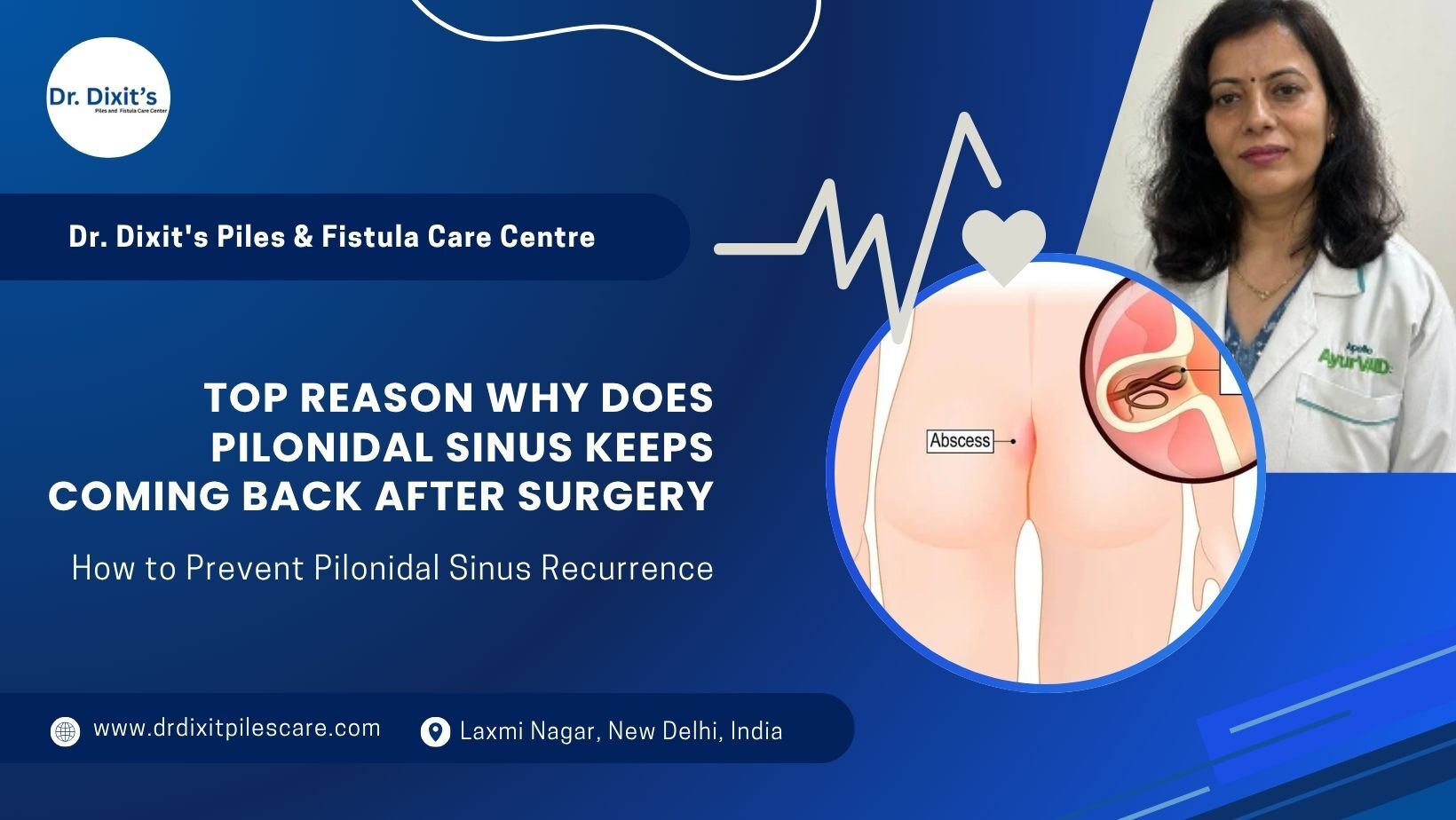
Pilonidal sinus develops as a medical condition which manifests itself close to the tailbone and results in discomfort and swelling, together with pus production. Although most patients achieve relief through treatment, their original problem continues to resurface after some duration. The cycle creates both confusion and frustration for people who experience it repeatedly.
People frequently inquire about the reasons behind pilonidal sinus recurrence following both treatment and surgical procedures. The answer lies in understanding the root causes, daily habits, and how the condition is managed. Knowledge of this information enables medical practitioners to select suitable pilonidal sinus treatments while decreasing the likelihood of treatment failure.
What Is Pilonidal Sinus and Why It Recurs
Pilonidal sinus behaves as a tiny underground passage which connects to the skin surfaces and typically holds hair along with waste materials. The condition develops through three main factors, which include friction together with hair intrusion and tailbone region pressure.
The condition comes back when doctors fail to treat its main cause, and patients do not complete their recovery process. The condition can return after treatment because certain factors keep triggering the infection or swelling to occur again.
Causes of Pilonidal Sinus Recurrence
Understanding the causes of pilonidal sinus recurrence is important for long-term management.
Common reasons include:
- Incomplete removal of the sinus tract
- Hair accumulation in the affected area
- Poor hygiene or improper wound care
- Excessive sweating
- Continuous friction due to tight clothing
- Prolonged sitting or sedentary lifestyle
These factors can lead to reinfection and explain why pilonidal sinus comes back in many cases.
Why Does Pilonidal Sinus Keep Coming Back After Surgery?
Patients think that surgery will provide them with an everlasting solution to their issues. The pilonidal sinus condition can return after surgery if patients do not comply with specific safety measures.
Some reasons include:
- Improper post-surgery care
- Early closure of the wound before complete healing
- Hair regrowth in the area
- Lack of lifestyle changes
This explains why pilonidal sinus disease recurs in some patients after they undergo surgical treatment. The surgical procedure removes the current sinus condition, but successful prevention requires ongoing dedicated treatment.
Symptoms of Recurrent Pilonidal Sinus
Recognising the symptoms of recurrent pilonidal sinus early can help prevent complications.
Common signs include:
- Pain or tenderness near the tailbone
- Swelling or a small lump
- Discharge of pus or blood
- Redness or irritation in the area
- Difficulty sitting for long periods
If these symptoms reappear, it may indicate that the condition has returned.
Chronic Pilonidal Sinus Treatment
When the condition keeps coming back, it may become chronic. Chronic pilonidal sinus treatment focuses on both removing the sinus and preventing recurrence.
Treatment options may include:
- Proper cleaning and drainage of the sinus
- Removal of infected tissue
- Advanced procedures for complete healing
- Lifestyle and hygiene management
Choosing the right approach depends on the severity and recurrence pattern.
Why Choose Ayurvedic Treatment Over Surgery for Pilonidal Sinus
Patients use treatment comparison to identify their most effective long-term relief option. The traditional surgical method, which seeks to eliminate the sinus, requires extended recovery periods and causes patient discomfort, while it creates a higher risk of treatment failure if proper aftercare is not executed.
Patients today prefer Ayurvedic treatments, which use minimally invasive techniques because these methods address the fundamental problem instead of only treating the visible symptoms. The techniques work to enhance natural recovery processes while decreasing infection risks and providing users with improved comfort during their recovery period.
The correct treatment selection needs a comprehensive medical assessment. The Delhi NCR Dr Dixit Piles Clinic provide patients with appropriate treatment alternatives which match their medical condition to create a treatment method that achieves both effective results and long-lasting success.
Is Pilonidal Sinus Curable Permanently?
A common concern is:
Yes, it can be managed effectively, but permanent results depend on:
- Proper treatment method
- Complete healing of the sinus
- Maintaining hygiene
- Preventing hair accumulation
- Lifestyle changes
Without these steps, recurrence is possible.
How to Prevent Pilonidal Sinus Recurrence
Preventing recurrence is as important as treatment. Understanding how to prevent pilonidal sinus recurrence can help avoid repeated problems.
Key preventive steps include:
- Keeping the area clean and dry
- Removing hair regularly from the affected region
- Avoiding prolonged sitting
- Wearing loose and comfortable clothing
- Maintaining proper hygiene
- Managing body weight
These steps also answer how to prevent pilonidal cyst recurrence naturally and support long-term healing.
How to Stop Pilonidal Sinus from Recurring Permanently
Many patients ask how to stop pilonidal sinus from recurring permanently. The answer lies in combining treatment with consistent care.
- Follow post-treatment instructions carefully
- Maintain a healthy daily routine
- Avoid pressure on the tailbone area
- Keep the area free from hair and moisture
Consistency in these habits plays a major role in long-term prevention.
Getting the Right Treatment for Recurrent Cases
The evaluation process for recurrent cases needs to be conducted through proper assessment methods, which then develop an organised treatment framework. Patients searching for the best treatment for recurrent pilonidal sinus in India should consult an experienced specialist.
Patients with pilonidal sinus conditions at Dr. Dixit Piles Care Clinic located in Laxmi Nagar and Dr. Dixit Piles Clinic situated in Delhi NCR receive expert evaluation and treatment for their conditions which include both recurrent and chronic cases. The team aims to determine the primary issue while delivering solutions that enable extended healing results.
Conclusion
Pilonidal sinus recurrence becomes another common problem because medical professionals fail to treat its underlying causes. Patients who understand the reasons for pilonidal sinus recurrence will make better choices regarding their treatment and preventive measures.
The combination of proper hygiene practices together with appropriate medical treatment provides an effective method that helps decrease the chances of recurrence. The moment symptoms reoccur patients must seek medical help without delay. Early treatment and consistent care are key to managing the condition effectively.
FAQs
1. Why does pilonidal sinus keep coming back?
The condition recurs because of incomplete healing combined with hair accumulation and poor hygiene practices and ongoing tailbone pressure.
2. Can pilonidal sinus recur after surgery?
Pilonidal sinus can return after surgery when patients do not follow the required wound care and preventive measures.
3. Is pilonidal sinus curable permanently?
The condition requires effective management because its results depend on treatment methods and personal hygiene and lifestyle modifications.
4. How can I prevent pilonidal sinus from recurring naturally?
The area needs to be kept clean while hair should be removed and people must avoid sitting for long periods and practice proper hygiene.
5. What is the best treatment for recurrent pilonidal sinus in India?
The treatment selection process requires evaluation of condition severity. The most effective treatment method emerges through specialist consultation.